Waring Immersion Blender Review: Worth It?

Affiliate disclosure: Some links on this page are affiliate links. If you buy through them we earn a small commission at no extra cost to you. Recommendations are research-driven; we don't claim personal use of every product reviewed. Product prices and availability are accurate as of the date published and are subject to change. Always check Amazon for current pricing before purchasing. Learn more.
Quick Picks
Breville Control Grip Immersion Blender
Bell-shaped guard prevents splashing , practical for soups and sauces
Buy on Amazon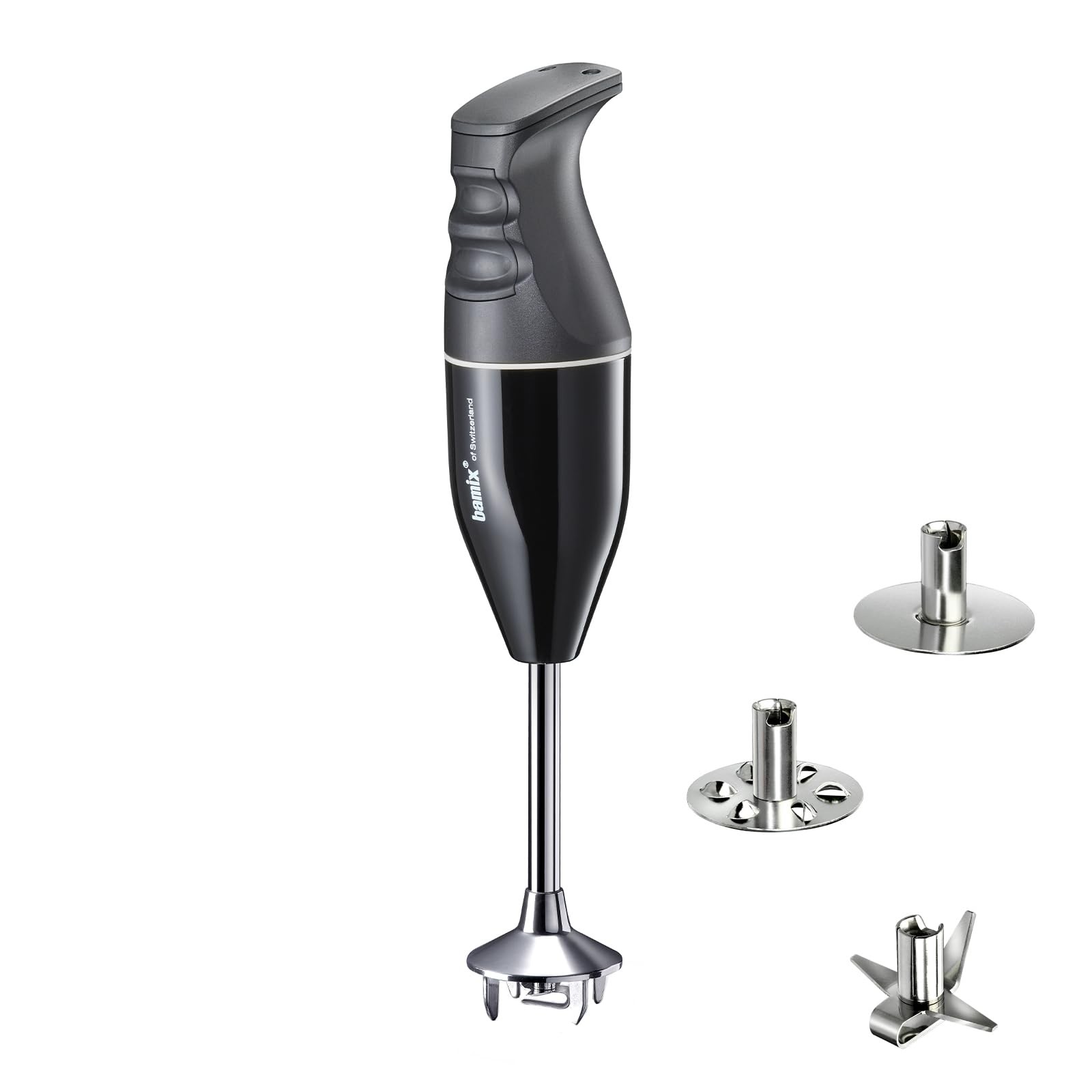
Bamix SwissLine Immersion Blender
Swiss-made motor runs at 12,000 RPM , significantly faster than most immersion blenders
Buy on Amazon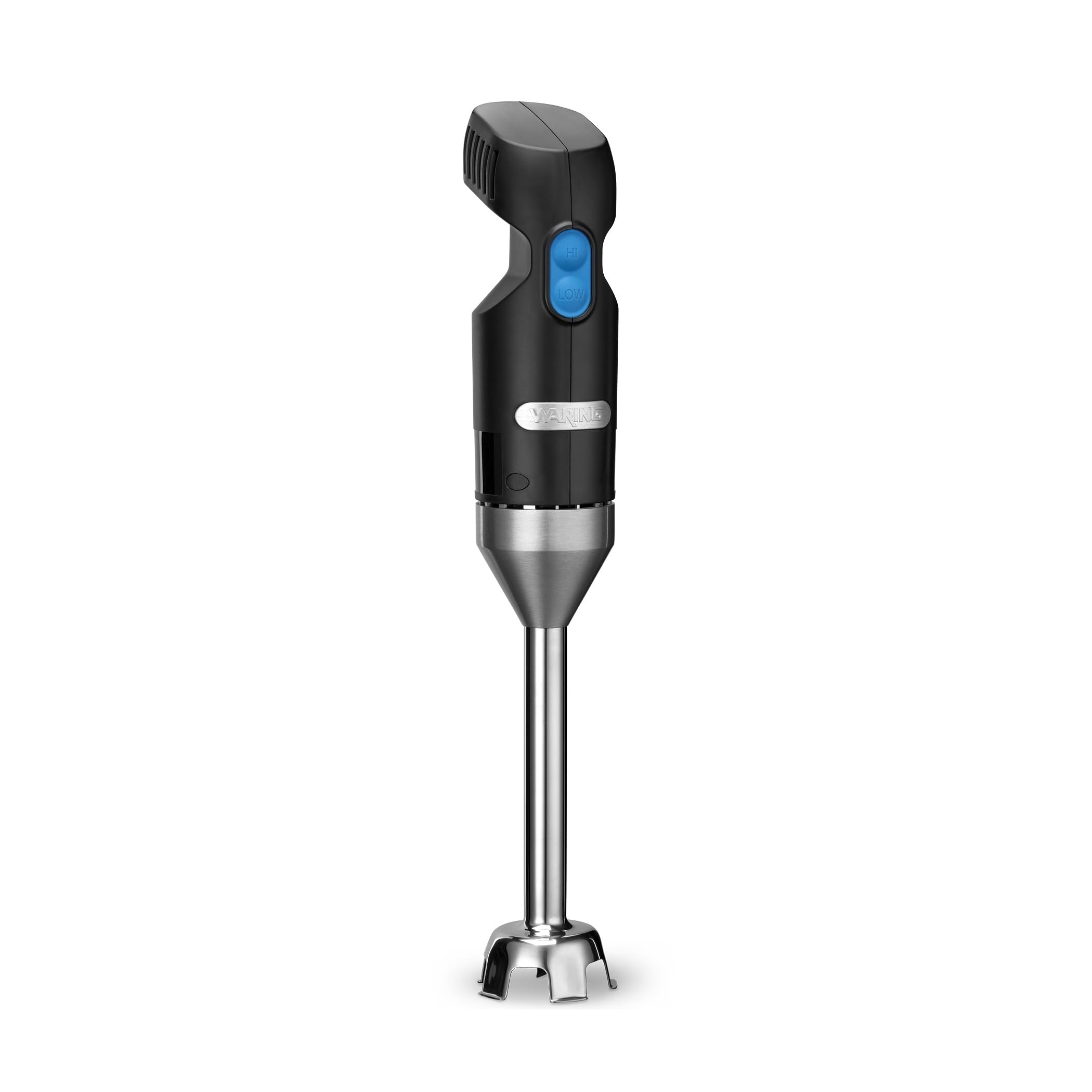
Waring Commercial WSB33X Immersion Blender
Commercial-grade motor designed for continuous use in restaurant environments
Buy on Amazon| Product | Price Range | Top Strength | Key Weakness | Buy |
|---|---|---|---|---|
| Breville Control Grip Immersion Blender best overall | $$ | Bell-shaped guard prevents splashing , practical for soups and sauces | More expensive than basic immersion blenders | Buy on Amazon |
| Bamix SwissLine Immersion Blender also consider | $$$ | Swiss-made motor runs at 12,000 RPM , significantly faster than most immersion blenders | Very expensive for an immersion blender | Buy on Amazon |
| Waring Commercial WSB33X Immersion Blender also consider | $$$ | Commercial-grade motor designed for continuous use in restaurant environments | Heavy and large , designed for commercial use, not home kitchen ergonomics | Buy on Amazon |
| Vitamix 5200 Blender also consider | $$$ | 2HP motor pulverizes nuts, ice, and fibrous vegetables completely | Very expensive , over $400 at full retail | Buy on Amazon |
If you’ve searched “Waring blender immersion blender” and landed here, you’re probably trying to figure out whether the Waring Commercial unit is worth the price, or whether you need something that heavy and purpose-built at all. Fair question. I’ve cooked through enough blenders , countertop and stick , to have some opinions on where the money actually goes, and this guide gives you a direct answer rather than a ranked list of fifteen options with no real verdict.
For context on the broader appliance category, the Small Appliances hub is a good starting point if you’re also reconsidering your countertop blender or food processor at the same time.
What to Look For in an Immersion Blender
Motor Power and Real-World Use
Wattage figures on the box are marketing. What matters is whether the motor maintains power under load. Consumer immersion blenders in the 200-300 watt range will handle soups and sauces without complaint. Once you’re pushing through thick hummus, nut-based sauces, or anything with fibrous vegetables, you’ll feel the motor struggling. Commercial-grade motors are rated for continuous use, meaning they don’t require the 30-second rest cycles most consumer units demand.
If you’ve ever had an immersion blender stall mid-purée with a pot full of hot butternut squash, that’s the motor limitation you’re buying around when you move up in price.
Shaft Length and Material
Standard consumer shafts run around 7 to 8 inches. If you work with large stockpots or deep vessels, that’s not enough clearance. The large immersion blender guide covers this specifically, but the short version is: measure your deepest pot before you buy. Stainless steel shafts clean better and hold up to hot liquids. Avoid plastic-shaft models for anything other than light blending.
Ergonomics
This matters more than most reviews acknowledge. A blender you use for 45 seconds making a quick smoothie is fine at any weight. A blender you’re holding over a 6-quart pot of simmering tomato sauce for four minutes is a different conversation. Hand fatigue is real, and the difference between 1.6 lbs and 2.8 lbs is noticeable by the third minute. (I timed this.)
Splash Control
Bell-shaped guards and enclosed blade designs reduce splatter with hot liquids. An open-blade design in a full pot of hot soup will spray the walls. This is a feature worth checking, not an upsell.
Top Picks
Best Mid-Range Pick: Breville Control Grip Immersion Blender
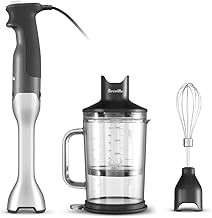
The Breville Control Grip Immersion Blender is the most practical recommendation for most home cooks. The bell-shaped guard at the blade end does what it promises: it reduces splatter when blending hot liquids in a pot, which is the use case that breaks most consumer blenders on ergonomics and mess, not motor failure.
Fifteen speed settings plus a turbo boost is more granularity than you’ll use most days, but having that range means you’re not stuck choosing between “gentle stir” and “full puree” with a single button. The variable speed is genuinely useful for emulsifications where you’re building texture deliberately.
The detachable shaft is dishwasher safe, which matters if you’re using this regularly. The friction point is weight. The Breville runs heavier than the KitchenAid KHBV53, which I used for three years before replacing it. The KitchenAid is lighter and simpler, but the Breville’s splash guard and speed range justify the extra bulk for most cooks. Mid-range pricing. Check current price on Amazon.
Best for Ergonomics and Power: Bamix SwissLine Immersion Blender
The Bamix SwissLine Immersion Blender is the answer to a specific question: what if the immersion blender were actually well-designed as a tool, rather than as a mass-market appliance?
At 1.6 lbs, it’s the lightest option in this group. The Swiss-made motor runs at 12,000 RPM, which is significantly faster than most consumer immersion blenders. More to the point, it handles hot liquids, cream, and emulsification directly in the pot without performance degradation over a session. Bamix has been making these in Switzerland since 1954, and the motor longevity reflects that. This isn’t a blender you replace in four years.
The base model doesn’t include a food processor attachment or a whisk, which matters if you were planning to use those accessories. Compared to the Breville, the Bamix offers more power and better ergonomics at a premium price. Worth it if you cook seriously and frequently. Premium pricing. Check current price on Amazon.
For more on what attachments matter and which ones are worth paying for, the immersion blender attachments guide covers this in detail.
Best for High-Volume or Commercial-Style Use: Waring Commercial WSB33X Immersion Blender
The Waring Commercial WSB33X Immersion Blender is restaurant equipment. NSF certified, commercial-grade motor, stainless steel shaft, designed for continuous use in environments where a consumer blender would fail within a year. If you’re running a small catering operation from home, producing large batches of soups or sauces multiple times per week, or if you’ve simply burned through two or three consumer units and want the last blender you’ll ever buy in this category, this is the answer.
It is not, however, a comfortable kitchen tool. It’s heavy, it’s large, and it was designed for commercial ergonomics, not home kitchens. Compared to the Bamix, the Waring is power-first and form-factor-last. The Bamix is the better daily driver for most home cooks, even serious ones. The Waring is for people who need the Waring.
Premium pricing. If you’re also looking at the Robot Coupe immersion blender as an alternative in this tier, the Robot Coupe competes directly on commercial specs. Check current price on Amazon.
Best Countertop Blender in This Class: Vitamix 5200 Blender
The Vitamix 5200 Blender is a countertop blender, not an immersion blender, but it belongs in this guide because it’s the other answer to the question “what blender do I actually need?” If your use case is heavy-volume work, daily smoothies with ice and frozen fruit, nut butters, or anything that requires complete pulverization rather than in-pot pureeing, the Vitamix 5200 is the right tool.
The 2HP motor handles ice, nuts, and fibrous vegetables without hesitation. The variable speed dial gives you real control across the range. Self-cleaning takes 60 seconds with warm water and dish soap, which removes the main friction point of owning a countertop blender. The machine typically lasts ten years or more with regular use, which changes the math on premium pricing considerably. Amortize it over a decade and it’s reasonable.
The container is tall enough that it won’t fit under standard kitchen cabinets without pulling it out every use, and the price is among the highest in this category. For a full comparison of how it stacks up against the other major high-performance countertop option, see the Vitamix vs Ninja guide.
Premium pricing. Check current price on Amazon.
How to Choose
Most people reading this guide fall into one of three situations.
If you cook regularly at home and you want a single immersion blender that handles soups, sauces, and occasional emulsifications without failing in two years, buy the Breville Control Grip. It’s mid-range pricing, it works well, and the splash guard is a practical feature you’ll appreciate immediately.
If you cook seriously and frequently, and hand fatigue or motor longevity matters to you, spend the extra money on the Bamix SwissLine. The ergonomics are better than anything else in this category, the motor is significantly faster, and it will outlast the Breville. The premium price reflects real Swiss manufacturing quality, not brand positioning.
If you run a catering operation or produce large batches on a commercial-adjacent schedule, the Waring Commercial WSB33X is the appropriate tool. It’s overkill for most home kitchens, and there’s no value in buying commercial equipment if you’re using it four times a month.
If your primary use is smoothies, frozen drinks, nut butters, or complete pulverization of hard ingredients, the Vitamix 5200 is the better answer than any immersion blender. These are different tools, and using a stick blender to make daily green smoothies with ice is working against the tool’s strengths.
The broader small appliances category has related guides if you’re also evaluating food processors or countertop blenders at the same time.
Frequently Asked Questions
Is the Waring Commercial WSB33X worth it for a home kitchen?
For most home cooks, no. The Waring is NSF-certified restaurant equipment, built for continuous use in commercial environments. It’s heavy, large, and priced at a level that only makes sense if you’re producing high volumes regularly, running a small catering business from home, or you’ve had multiple consumer immersion blenders fail. The Bamix SwissLine gets you significantly better motor performance and ergonomics than a consumer blender, at a form factor that actually suits a home kitchen.
What’s the difference between the Breville Control Grip and the Bamix SwissLine?
The Breville is mid-range pricing with a strong splash guard, 15 speed settings, and a dishwasher-safe shaft. The Bamix is premium pricing with a lighter body, a faster motor (12,000 RPM versus roughly 8,000 on most consumer units), and Swiss-made motor longevity. For occasional to regular home cooking, the Breville is the practical choice. If you cook seriously and want a tool that performs better and lasts longer, the Bamix justifies the premium.
Can I use an immersion blender for hot liquids?
Yes, but the design matters. Models with a bell-shaped guard or enclosed blade, like the Breville Control Grip, significantly reduce splash risk. Open-blade designs in a full pot of hot liquid will spray. The Bamix and Waring Commercial are both designed for hot liquid use. Regardless of model, keep the blade submerged before activating it, and start at a lower speed.
Does the Vitamix 5200 replace an immersion blender?
Not directly. They’re different tools for different tasks. The Vitamix 5200 is a countertop blender that excels at high-volume work, smoothies with ice, nut butters, and anything requiring complete pulverization. An immersion blender lets you blend directly in the pot, which is faster and easier for soups, sauces, and emulsifications. If you cook varied food regularly, you’ll want both. If you had to choose one, it depends on what you cook most.
How long should an immersion blender last?
Consumer immersion blenders in the budget to mid-range tend to last three to five years with regular use. Motors will eventually burn out, particularly if run continuously beyond their rated cycle times. The Bamix SwissLine, with its Swiss-made motor, is realistically a ten-plus year tool for most home cooks. The Waring Commercial is designed for years of daily commercial use. The Breville sits in between. Longevity is one of the legitimate reasons to spend more in this category.
Frequently Asked Questions
Is a Waring commercial immersion blender worth it for home use?
Only if you regularly process large volumes of hot soups, thick sauces, or dense purées in professional quantities. The Waring commercial immersion blender is heavy, large, and designed for restaurant-volume use. For most home cooks, a high-quality consumer immersion blender like the Breville Control Grip or the Bamix SwissLine delivers the performance you need without the commercial bulk.
What should I look for in an immersion blender for soups?
Look for a motor that maintains power under load (at least 200 watts for consumer models, higher for commercial), a stainless steel shaft long enough to reach the bottom of your tallest pot without splashing, and a bell-shaped guard around the blade that prevents liquid from spraying upward. The Breville Control Grip's bell guard is one of the more practical features in the consumer category.
What is the difference between a consumer and commercial immersion blender?
Commercial immersion blenders are rated for continuous use without the 30- to 60-second rest cycles that consumer motors require during heavy processing. They also run higher RPMs for faster processing of thick sauces and soups. The tradeoff is significant weight and bulk — commercial shafts are often longer and heavier than what is comfortable for home kitchen use.
Can an immersion blender replace a countertop blender?
For soups, sauces, and simple purées, yes. For frozen beverages, nut butters, and large-volume smoothies, no. An immersion blender works by submerging directly in the pot, which makes it faster for soups and eliminates hot-liquid transfer to a countertop container — but the blade-to-liquid ratio limits how well it handles very thick or very cold ingredients.
Is the Bamix SwissLine immersion blender worth its high price?
For cooks who use an immersion blender frequently and want the highest performance, yes. The Bamix runs at 12,000 RPM — significantly faster than most consumer immersion blenders — can whip cream, emulsify directly in the pot, and handle hot liquids without the splash risk of lower-powered models. Its price is steep, but its construction and motor longevity justify the cost over years of daily use.
Where to Buy
Breville Control Grip Immersion BlenderSee Breville Control Grip Immersion Blender on Amazon