HexClad Roasting Pan Review: Pros, Cons & Alternatives

Affiliate disclosure: Some links on this page are affiliate links. If you buy through them we earn a small commission at no extra cost to you. Recommendations are research-driven; we don't claim personal use of every product reviewed. Product prices and availability are accurate as of the date published and are subject to change. Always check Amazon for current pricing before purchasing. Learn more.
Quick Picks
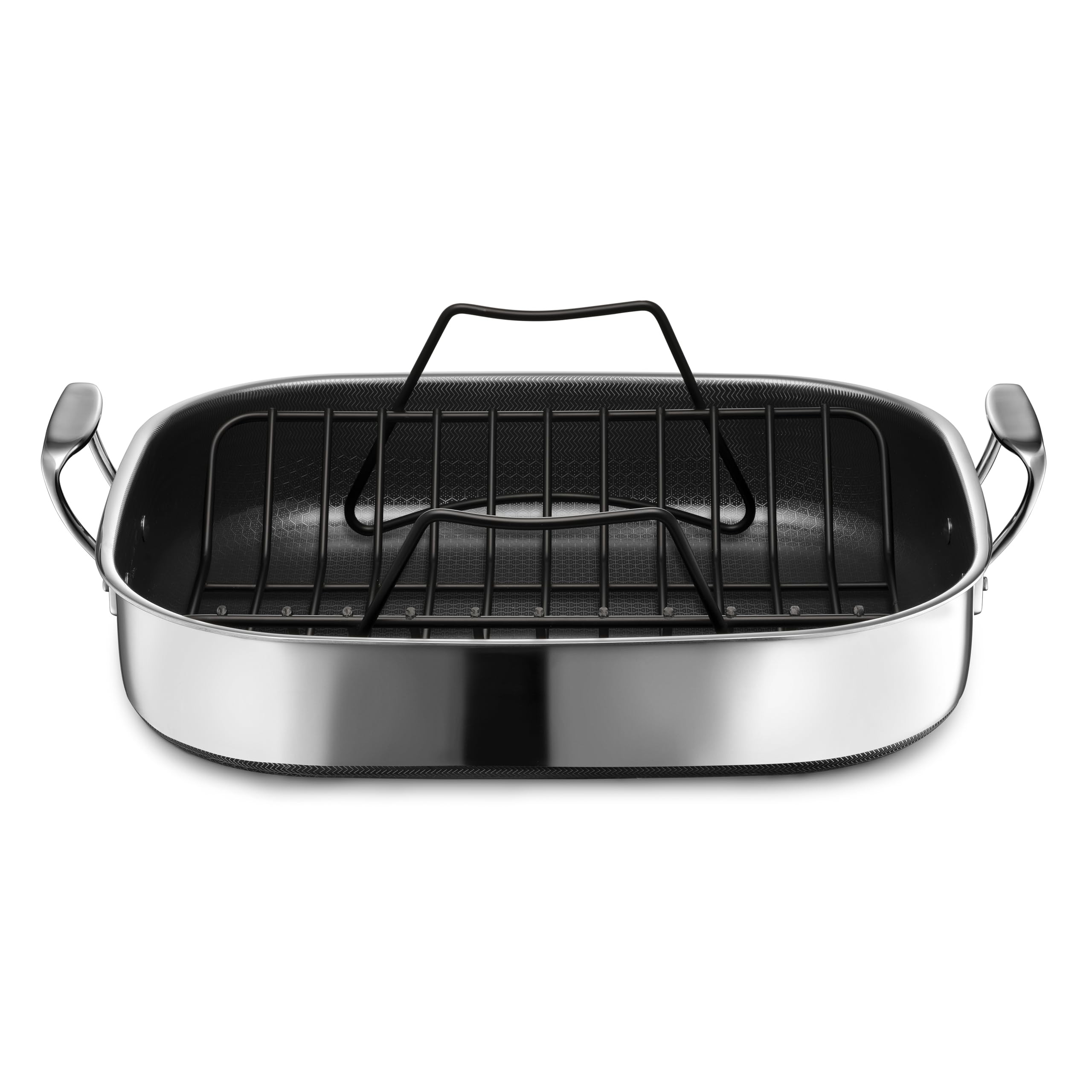
HexClad Hybrid Roasting Pan
Hybrid surface handles fond development and nonstick release in one pan
Buy on Amazon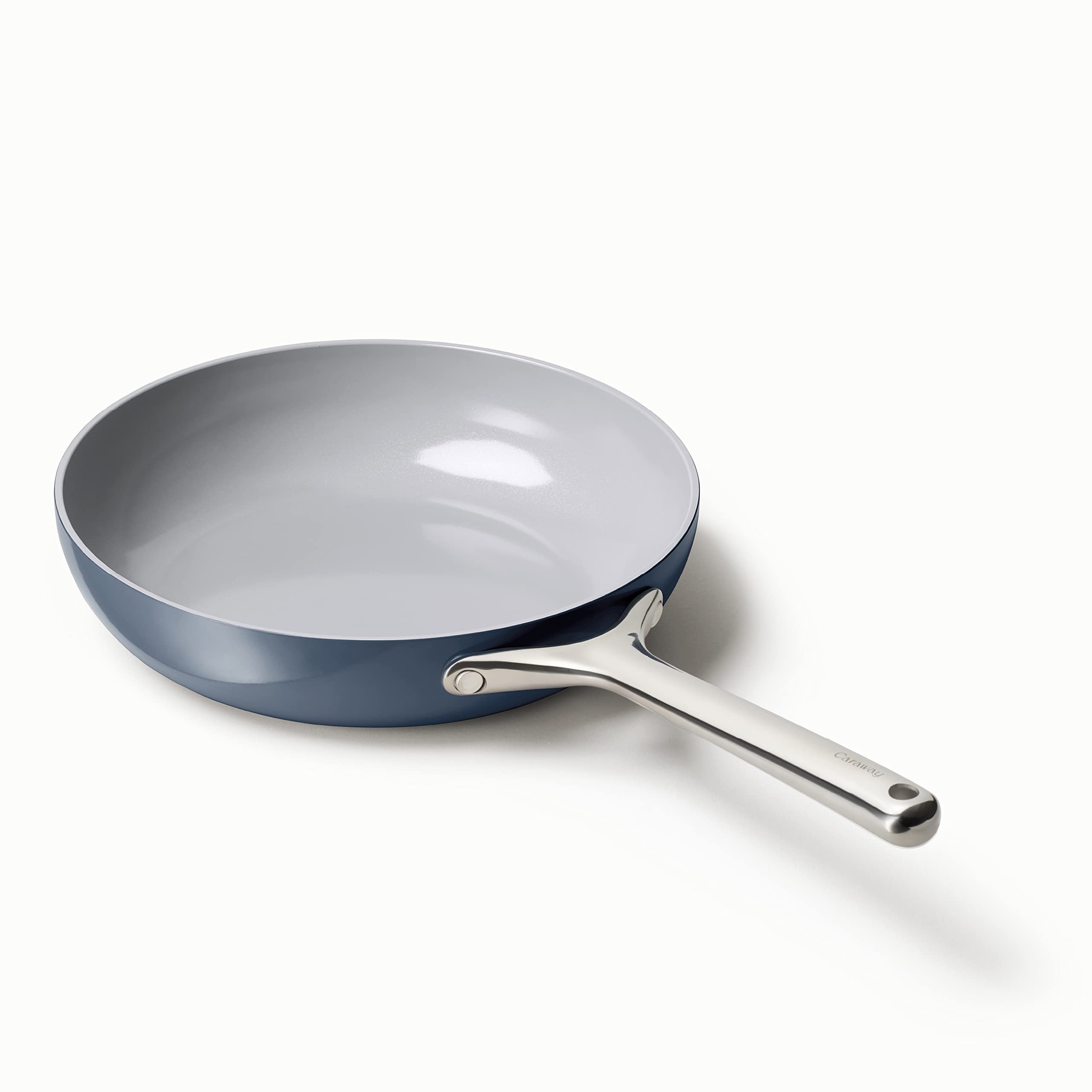
Caraway Ceramic Nonstick Frying Pan 10.5"
Ceramic-coated , PTFE and PFOA-free
Buy on Amazon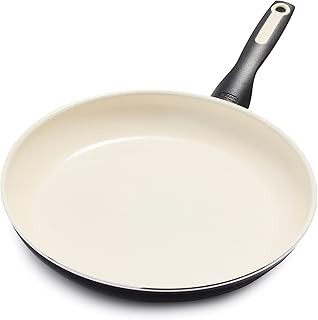
GreenPan GP5 Ceramic Nonstick 12" Skillet
Thermolon Minerals ceramic coating , PFAS-free and scratch-resistant
Buy on Amazon| Product | Price Range | Top Strength | Key Weakness | Buy |
|---|---|---|---|---|
| HexClad Hybrid Roasting Pan best overall | $$$ | Hybrid surface handles fond development and nonstick release in one pan | One of the most expensive roasting pans available | Buy on Amazon |
| Caraway Ceramic Nonstick Frying Pan 10.5" also consider | $$ | Ceramic-coated , PTFE and PFOA-free | Ceramic coating degrades faster than PTFE with high-heat or metal utensil use | Buy on Amazon |
| GreenPan GP5 Ceramic Nonstick 12" Skillet also consider | $$ | Thermolon Minerals ceramic coating , PFAS-free and scratch-resistant | Coating still degrades faster than PTFE with high-heat cooking | Buy on Amazon |
| Viking Culinary Hard Anodized Nonstick 10-Inch Fry Pan also consider | $$ | Hard anodized exterior is more durable than standard aluminum | PTFE coating will eventually degrade with use | Buy on Amazon |
| Our Place Always Pan 2.0 also consider | $$ | Designed to replace 8 traditional pans , steamer basket and spatula included | Jack-of-all-trades means compromises , not ideal as a dedicated saute or sear pan | Buy on Amazon |
HexClad roasting pans get a lot of attention right now, and if you’ve spent any time in cookware circles you’ve heard the pitch: hybrid surface, metal utensil safe, lifetime warranty, handles a 20-pound turkey. Some of that is accurate. Some of it needs qualification. And one part of the pitch contains a genuine tension that nobody in the marketing materials is going to flag for you. That’s what this guide is for.
The five pans below cover the HexClad flagship and four alternatives across the nonstick and ceramic categories. If you want a broader look at how these coating types compare before reading further, my overview of Nonstick & Ceramic cookware covers the landscape in more detail. Otherwise, here’s the direct version.
What to Look For in a Roasting Pan
Size and Capacity
A roasting pan that fits a 12-pound chicken is not the same tool as one that can handle a 20-pound Thanksgiving turkey. Measure your oven before you buy. The interior cavity is not the same as the door width, and I have watched more than one ambitious purchase get returned because someone measured the door. Most full-size roasting pans run 16 to 18 inches in length. Anything under 14 inches is a compromise on large birds.
Surface Type and What You Actually Need It to Do
This is where the buying decision gets complicated. If you roast vegetables, chicken parts, or fish and you want easy cleanup, a nonstick or hybrid surface makes sense. If you roast whole birds or large cuts and then make pan drippings or gravy directly in the pan, you need fond. Fond is the browned, sticky residue that clings to the pan bottom after roasting. It does not form on a nonstick surface. That’s not a knock on nonstick. It’s just physics.
The HexClad hybrid surface is the only option here that tries to do both. Whether it succeeds is something I address directly in the product section below.
Rack Inclusion
A roasting rack keeps meat out of its own fat and allows air circulation underneath. Some pans include one. Many do not. Buying a rack separately is not a hardship, but it adds cost and means one more item to store.
Durability Over Time
PTFE coatings (the traditional nonstick layer used in most pans) hold up better under high heat and metal utensils than ceramic coatings do. Ceramic coatings are PTFE-free and PFAS-free, which matters to some buyers, but they degrade faster with aggressive cooking. If you’re choosing ceramic, be honest with yourself about how you cook. If you preheat pans empty on high, use metal spatulas by habit, and run everything through the dishwasher, ceramic will not last. That’s a usage pattern issue, not a defect.
Top Picks
HexClad Hybrid Roasting Pan
The HexClad Hybrid Roasting Pan is the priciest option in this guide by a significant margin, and it sits in the premium category. For that price, you get a large-format pan with a rack included, a lifetime warranty, and HexClad’s signature laser-etched hex pattern that combines raised stainless steel peaks with PTFE-coated valleys. Metal utensils won’t damage it. It’s induction compatible. It goes from stovetop to oven without issue.
Now the honest part.
HexClad markets this surface as the best of both worlds: the browning capability of stainless and the release of nonstick. For searing a steak, that’s a reasonable claim. For roasting a turkey and then making gravy, it’s more complicated. Fond develops where meat or skin contacts bare metal. The hex pattern does allow some contact with the stainless peaks, and some fond will develop. But the PTFE valleys reduce the total contact area available for browning, and deglaze performance is inconsistent compared to an uncoated stainless or carbon steel pan.
If your roasting process ends when the bird comes out and you want easy cleanup, this pan is excellent. If your pan drippings are the entire point of Sunday roasting (which they should be, and your cooking will improve once you prioritize this), the hybrid surface gives up something. That’s not a rumor. Testing against a standard stainless roasting pan confirmed the fond yield is noticeably different.
It’s also worth looking at HexClad’s broader lineup. The same hybrid logic applies to their baking sheet and if you’re going deep into the ecosystem, their utensil set is designed to work with the surface without workarounds.
Best for. Cooks who prioritize cleanup, don’t rely on pan drippings for gravy, and want a single roasting pan that holds up for decades.
Caraway Ceramic Nonstick Frying Pan 10.5”
The Caraway Ceramic Nonstick Frying Pan 10.5” is not a roasting pan, which I want to be direct about. It’s a 10.5-inch skillet with a ceramic coating, a magnetic stainless base for induction compatibility, and a 550°F oven rating that’s meaningfully higher than most ceramic alternatives. If you’re considering Caraway as an entry point before committing to the full set, this is the logical starting piece.
The ceramic coating is PTFE-free and PFOA-free. It releases food well when new. The durability question with any ceramic coating is whether it performs the same way after 18 months of daily cooking. It typically doesn’t. Caraway has faced criticism on this front, and if you want the full picture, the analysis of Caraway cookware complaints is worth reading before buying.
The 550°F oven ceiling gives you more flexibility than most ceramic pans, particularly for finishing dishes under a broiler. Mid-range pricing puts it above the budget ceramic options but below Caraway’s bundled sets.
Best for. Buyers who want a PTFE-free everyday skillet and understand that ceramic coatings require more care to maintain than PTFE.
GreenPan GP5 Ceramic Nonstick 12” Skillet
The GreenPan GP5 Ceramic Nonstick 12” Skillet uses GreenPan’s Thermolon Minerals ceramic coating, which is PFAS-free and marketed as scratch-resistant. The exterior is hard anodized, which gives it better durability and heat distribution than a standard aluminum pan. Oven-safe to 600°F, which is the highest ceiling in this group.
Compared directly to the Caraway 10.5”, the GreenPan GP5 is larger and has a higher oven rating. Both are ceramic, both will degrade faster than PTFE under the same use conditions. The GP5 is also mid-range pricing, but at the lower end of that band. For induction users who want ceramic nonstick, the GreenPan GP5 is a more practical everyday pan than the Caraway at the same general price point. The handle does become uncomfortable during longer oven sessions (I timed this at around 30 minutes of continuous stovetop cooking before it became an issue), which is a real consideration for braises.
Best for. Cooks who want a larger ceramic nonstick skillet at mid-range pricing without paying the Caraway brand premium.
Viking Culinary Hard Anodized Nonstick 10-Inch Fry Pan
The Viking Culinary Hard Anodized Nonstick 10-Inch Fry Pan uses PTFE nonstick on a hard anodized aluminum body. If you’ve spent time reading about nonstick options and you want the most durable coating type at a mid-range price, PTFE is the answer. It lasts longer than ceramic under high-heat cooking, handles metal utensils better, and recovers from mistakes that would permanently degrade a ceramic surface.
Viking doesn’t have the brand recognition of All-Clad or Calphalon in this category, which is a fair observation. The performance, however, is competitive with both. Induction compatible, oven-safe to 400°F, which is lower than the GreenPan’s ceiling but sufficient for most roasting and finishing tasks. For anyone buying specifically for induction, I’d also point you toward the dedicated guide on nonstick cookware for induction cooktops before finalizing.
Best for. Induction users who want PTFE durability at mid-range pricing and don’t require oven temperatures above 400°F.
Our Place Always Pan 2.0
The Our Place Always Pan 2.0 makes a specific claim: it replaces eight pans. It includes a steamer basket, a spatula, and a steam lid. The ceramic coating is PTFE-free. The design details are genuinely considered, including a pour spout and a handle slot that doubles as a spatula rest.
The trade-off is predictable. A pan designed to do eight things does each of them less well than a pan designed to do one. The Always Pan is not the pan I’d reach for to sear a steak or develop a proper fond base for a sauce. For a small apartment kitchen, or for someone whose cooking is primarily weeknight vegetables and eggs and occasional proteins, it’s a reasonable consolidation. For anyone with enough cabinet space to keep dedicated pans, the multi-use framing is less compelling.
Ceramic coating longevity concerns apply here as they do to the Caraway and GreenPan options. Mid-range pricing for what it includes.
Best for. Minimalist kitchens where storage constraints make the multi-tool argument genuinely useful, not just a marketing angle.
How to Choose
Start with what you cook most often and where you plan to cook it.
If the roasting pan is the primary purchase and you make pan gravy, the HexClad hybrid is the most sophisticated option available but it gives up fond development compared to an uncoated stainless pan. If you can live with that trade-off, or if cleanup matters more than drippings quality, it’s worth the premium pricing.
If you’re buying a skillet and you want PTFE-free, ceramic coatings from Caraway and GreenPan are both viable. The Caraway entry piece makes sense as a standalone purchase before committing to the full set. If you want to understand where Caraway products are manufactured before buying, that context is available at the Caraway pans sourcing guide. The GreenPan GP5 offers a larger cooking surface at a slightly lower price within the same mid-range band.
If PTFE durability at a moderate price is the goal, the Viking Culinary hard anodized pan is a more practical choice than either ceramic option. It will outlast them under the same cooking conditions.
For those consolidating tools in a smaller kitchen, the Our Place Always Pan 2.0 serves the purpose it describes. Just be clear-eyed about what multi-use means in practice.
If you want a fuller breakdown of coating types, durability ratings, and how different nonstick pans perform across these categories, the complete nonstick and ceramic cookware guide covers the technical comparisons in one place.
Frequently Asked Questions
Is the HexClad Roasting Pan worth the premium price?
That depends entirely on what you use a roasting pan for. If you want an easy-release surface, induction compatibility, metal utensil safety, and a lifetime warranty on a pan large enough for a 20-pound turkey, the HexClad is a strong option. If developing a deep fond layer for pan gravy is part of your process, the hybrid surface reduces the metal-to-food contact that makes fond possible, and a traditional stainless pan will serve you better at a lower price point.
Can I use a nonstick roasting pan for making gravy?
A nonstick surface limits fond development, and fond is the basis of a good pan gravy. Ceramic and PTFE coatings both reduce the sticking that creates fond. The HexClad hybrid surface does allow some fond formation through its stainless steel peaks, but less than an uncoated stainless pan. If gravy quality is a priority, an uncoated stainless or enameled cast iron roasting pan will produce better results.
How long does a ceramic nonstick coating actually last?
With careful use (low to medium heat, wooden or silicone utensils, hand washing), a quality ceramic coating from brands like GreenPan or Caraway can last two to three years before release performance degrades noticeably. With high-heat cooking, metal utensils, or regular dishwasher use, expect that timeline to shrink significantly. PTFE coatings at the same price point typically last longer under equivalent conditions.
Is the Our Place Always Pan a good replacement for a full pan set?
For someone cooking in a small space with limited storage, it handles everyday tasks adequately. It is not a substitute for a dedicated sear pan, a proper saucepan, or a large stockpot. The multi-use design means compromises in each function. If your cooking is primarily simple weeknight meals and you’re working with limited cabinet space, it’s a reasonable choice. If you cook seriously across a range of techniques, dedicated pans will outperform it.
What’s the difference between PTFE and ceramic nonstick coatings?
PTFE (the coating in traditional nonstick pans, including Teflon) is more durable at high heat and more resistant to scratching than ceramic. Ceramic coatings are free of PTFE and PFAS compounds, which some buyers prefer from a health standpoint. The trade-off is that ceramic degrades faster under the same cooking conditions. Neither coating type is ideal for very high-heat searing. Both require some degree of care to maintain performance. For induction cooking specifically, the pan body’s magnetic base matters more than the coating type.
Frequently Asked Questions
Can you make pan gravy and fond in a HexClad roasting pan?
Yes, but with a caveat. The hybrid surface allows some fond development on the stainless peaks, but the nonstick valleys reduce the total fond you build compared to an uncoated stainless or carbon steel roasting pan. Pan drippings will still deglaze well for gravy.
Does the HexClad roasting pan come with a rack?
Yes, the HexClad roasting pan includes a roasting rack, which elevates meat for air circulation and even browning on all sides. The rack is also useful for catching drippings below a whole bird.
What size turkey fits in the HexClad roasting pan?
The HexClad roasting pan is sized to fit turkeys up to 20 pounds, making it suitable for a standard Thanksgiving bird. For anything larger, you'd need an oversized roasting pan from a restaurant supply source.
Is the HexClad roasting pan oven safe at high temperatures?
HexClad roasting pans are oven safe up to 500°F, which covers high-heat roasting for poultry and large cuts of meat. Avoid the broiler setting for extended periods, as direct intense heat above the hybrid surface can accelerate wear.
Is a HexClad roasting pan worth the premium over a standard stainless roasting pan?
For cooks who prioritize easy cleanup, yes — the nonstick valleys significantly reduce scrubbing after roasting fatty meats. Cooks who prioritize maximum fond for sauces are better served by an uncoated stainless roasting pan, where the premium price difference is hard to justify.
Where to Buy
HexClad Hybrid Roasting PanSee HexClad Hybrid Roasting Pan on Amazon