Wok Induction Cookware: What You Need to Know

Affiliate disclosure: Some links on this page are affiliate links. If you buy through them we earn a small commission at no extra cost to you. Recommendations are research-driven; we don't claim personal use of every product reviewed. Product prices and availability are accurate as of the date published and are subject to change. Always check Amazon for current pricing before purchasing. Learn more.
Quick Picks
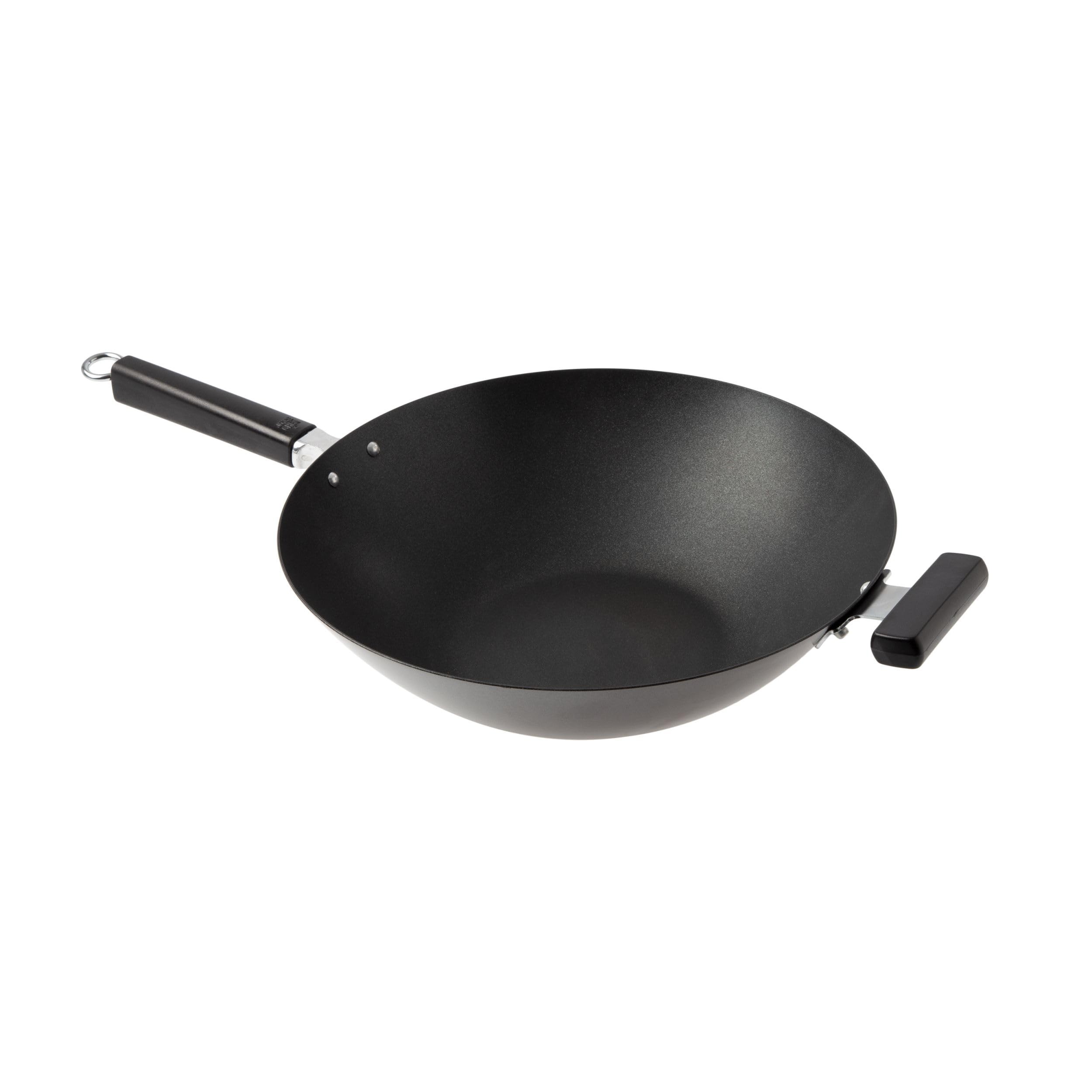
Joyce Chen 14-Inch Nonstick Wok with Flat Bottom
Flat bottom sits stably on induction and electric cooktops
Buy on Amazon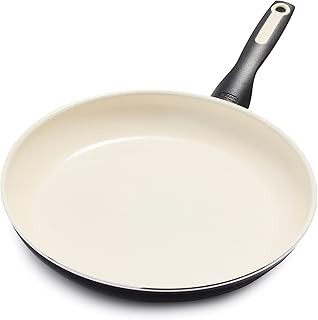
GreenPan GP5 Ceramic Nonstick 12" Skillet
Thermolon Minerals ceramic coating , PFAS-free and scratch-resistant
Buy on Amazon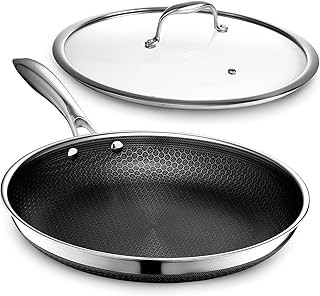
HexClad 12-Inch Hybrid Stainless/Nonstick Pan
Hybrid hexagonal surface combines stainless searing with nonstick release
Buy on Amazon| Product | Price Range | Top Strength | Key Weakness | Buy |
|---|---|---|---|---|
| Joyce Chen 14-Inch Nonstick Wok with Flat Bottom best overall | $ | Flat bottom sits stably on induction and electric cooktops | Nonstick coating limits maximum heat , traditional wok cooking ideally requires higher temperatures | Buy on Amazon |
| GreenPan GP5 Ceramic Nonstick 12" Skillet also consider | $$ | Thermolon Minerals ceramic coating , PFAS-free and scratch-resistant | Coating still degrades faster than PTFE with high-heat cooking | Buy on Amazon |
| HexClad 12-Inch Hybrid Stainless/Nonstick Pan also consider | $$$ | Hybrid hexagonal surface combines stainless searing with nonstick release | Very expensive for a nonstick-category pan | Buy on Amazon |
| Caraway 4.5-Quart Saute Pan also consider | $$ | Ceramic-coated , free of PTFE, PFOA, and other synthetic coatings | Ceramic coating degrades faster than PTFE if overheated or scratched with metal utensils | Buy on Amazon |
| Viking Culinary Hard Anodized Nonstick 10-Inch Fry Pan also consider | $$ | Hard anodized exterior is more durable than standard aluminum | PTFE coating will eventually degrade with use | Buy on Amazon |
Induction cooktops and woks have a complicated relationship. Traditional carbon steel woks are round-bottomed, built for a flame that curves up around the sides, and most induction burners just stare blankly at a curved base and refuse to cooperate. So if you’re cooking on induction and want the high-heat, fast-toss results that wok cooking delivers, you’re making some real tradeoffs, and you should know what they are before you spend money.
This guide covers wok induction cookware specifically, but because most induction-compatible woks bring you into nonstick and ceramic territory, I’ve also pulled in a few adjacent pans that serious induction cooks reach for when the wok format isn’t the right tool. If you want the broader picture on coating types and what holds up, the Nonstick & Ceramic hub covers that ground in more depth.
My actual recommendation is below. I’ll give you the honest version.
What to Look For in Wok Induction Cookware
Flat Bottom Is Not Optional
Induction works through magnetic contact between the burner and the base of the pan. A rounded wok bottom means minimal contact area, which means the burner may not register the pan at all, or will heat it so unevenly that you’re essentially cooking on one small hot spot. Flat-bottomed construction is the functional requirement here, not a style preference.
The tradeoff is real: a flat bottom changes how you toss food. You lose some of the fluid motion that makes wok cooking fast and efficient on a gas flame. For most home cooks, that’s a reasonable compromise. Professional wok technique on a flat-bottomed pan is slightly awkward. Dinner on a Tuesday is still perfectly achievable.
Magnetic Base Material
Carbon steel and cast iron are both naturally induction-compatible. Aluminum is not, unless the manufacturer has bonded a magnetic stainless steel plate to the base. Hard-anodized aluminum woks typically fall into this second category, so check the product specs before assuming. If the listing says “induction compatible,” confirm whether that’s a full magnetic base or a disc-bonded bottom. Disc-bonded bases work, but they can delaminate over time.
Nonstick Coating: PTFE vs. Ceramic
For induction wok cooking specifically, this choice matters more than people expect. Nonstick coatings and true high-heat wok cooking are in tension with each other. PTFE coatings (Teflon and its equivalents) hold up better at sustained cooking temperatures than ceramic coatings do, but both start to degrade above around 500 degrees Fahrenheit with repeated use. Traditional wok cooking pushes well past that.
The practical answer: if you’re doing home stir-fry at normal home-cook temperatures, nonstick works and makes cleanup easier. If you’re trying to replicate the kind of high-heat char you’d get from a restaurant wok station, no nonstick coating survives that long-term. You’d want a plain carbon steel wok with a flat bottom and season it yourself. That’s a different purchase.
Weight and Handle Design
Wok tossing requires one-handed control. Heavier pans make that harder, which is one reason carbon steel dominates traditional wok cooking. If you’re buying a nonstick or ceramic-coated induction wok, pay attention to the stated weight. A pan that’s too heavy to maneuver isn’t functioning as a wok.
Top Picks
Best Overall: Joyce Chen 14-Inch Nonstick Wok with Flat Bottom
The Joyce Chen 14-Inch Nonstick Wok with Flat Bottom is the most direct answer to the actual question being asked. It’s budget-category pricing, it has a flat bottom designed for induction and electric cooktops, and the hard-anodized nonstick surface handles the kind of high-heat stir-frying you’re actually doing at home.
The lightweight construction is the feature I’d emphasize. Fourteen inches is a large pan, and if it were heavy, one-handed tossing would be out entirely. Joyce Chen built this for mobility. That matters when you’re moving vegetables fast over heat.
What it won’t do: push into true wok hei territory. The nonstick coating limits how high you can realistically run the heat before you start degrading the surface. If you’ve read about the importance of smoking-hot metal for authentic stir-fry results, this pan will get you close but not identical. For weeknight cooking, that gap is academic. For anyone chasing restaurant-quality char at home, consider a plain carbon steel flat-bottom wok instead and season it yourself. That’s the honest version of this recommendation.
The flat bottom vs. round bottom debate is settled for induction users. Round bottom is physically incompatible. This pan makes the right choice by default.
Best PTFE Nonstick for Induction: Viking Culinary Hard Anodized Nonstick 10-Inch Fry Pan
Not a wok, but worth including here because a lot of induction cooks use a quality fry pan for the same weeknight tasks they’d otherwise reach for a wok. The Viking Culinary Hard Anodized Nonstick 10-Inch Fry Pan is mid-range pricing, induction compatible, and uses PTFE coating over a hard-anodized exterior.
Why PTFE over ceramic at the same price point? Durability. PTFE degrades with use, but it degrades more slowly and more predictably than ceramic coatings, especially if you’re cooking at higher temperatures. The Viking holds its coating longer than most ceramic-coated alternatives in this price band.
Viking doesn’t carry the immediate recognition of All-Clad or Calphalon in this category, which I’d say works in your favor. You’re paying for the pan, not the name. The Viking induction cookware line is worth knowing about if you’re building out an induction-compatible set.
Oven-safe to 400 degrees Fahrenheit. That’s on the lower end for oven use, and if high-heat oven finishing matters to you, look elsewhere.
Best Ceramic Nonstick: GreenPan GP5 Ceramic Nonstick 12” Skillet
The GreenPan GP5 Ceramic Nonstick 12” Skillet is mid-range pricing and makes a genuine case as the more affordable ceramic option against the heavily marketed Caraway line. The Thermolon Minerals coating is PFAS-free and more scratch-resistant than standard ceramic nonstick. Oven-safe to 600 degrees Fahrenheit, which is higher than most ceramic competitors.
The GreenPan vs. Caraway comparison is worth being direct about. The GreenPan costs less, offers similar ceramic coating benefits, and gets to a higher oven temperature. Caraway wins on storage accessories and brand presentation. If you’re buying a pan to cook in rather than photograph, the GP5 is the more rational choice.
Ceramic coatings generally have a shorter functional lifespan than PTFE at comparable use levels. If you’re cooking daily, budget for replacement sooner than you would with a PTFE pan. That applies to GreenPan the same as it applies to Caraway.
The Ceramic Darling: Caraway 4.5-Quart Saute Pan
The Caraway 4.5-Quart Saute Pan is mid-range pricing, induction compatible via its magnetic stainless steel base, and ceramic-coated without PTFE, PFOA, or other synthetic coatings. The storage accessories (canvas lid holder, pan rack) are genuinely useful if you’re working with limited cabinet space.
The durability question is where I’d slow you down. Ceramic coatings degrade faster than PTFE with regular high-heat cooking, and they’re more sensitive to metal utensils and abrasive cleaning. If you want to understand the full failure pattern before buying, the Caraway cookware bad reviews piece lays out the real-world complaints. The manufacturing background is covered at where Caraway pans are made.
For induction wok cooking specifically, the saute pan format is a more natural fit than it might appear. The higher straight sides hold volume well for toss-style cooking.
The Premium Hybrid Option: HexClad 12-Inch Hybrid Stainless/Nonstick Pan
The HexClad 12-Inch Hybrid Stainless/Nonstick Pan is premium pricing, and that premium is the first thing to address honestly. The hybrid hexagonal surface is designed to give you stainless searing performance at the peaks while nonstick release operates in the valleys. Metal utensil safe, lifetime warranty, oven-safe to 500 degrees Fahrenheit.
Does the hybrid claim hold up? Partially. You do get better searing than a straight nonstick pan, and better release than a straight stainless pan. What you don’t get is the best of either dedicated option. For the money, buying a high-quality PTFE nonstick alongside a dedicated stainless (All-Clad D3 or similar) gets you better performance in both categories. The HexClad is a genuine compromise in both directions, not a best-of-both.
Where HexClad makes sense: if you want a single pan that handles a wide range of tasks without the commitment of managing two separate surfaces. (I’m aware that’s a specific use case.) If you’re interested in how HexClad performs across their broader product line, the HexClad baking sheet review gives a sense of how their manufacturing quality translates to different formats.
How to Choose
Start with your actual cooking. If you’re doing stir-fry and toss-style high-heat cooking most nights, the Joyce Chen is the correct induction wok purchase in the budget category. It does what it’s designed for, it’s light enough to use properly, and it won’t make you feel like you’re fighting the format.
If you’re using induction for more general high-heat cooking and the wok format is one of several tools you reach for, the Viking gives you a more durable PTFE surface at mid-range pricing. For ceramic nonstick without PFAS, the GreenPan GP5 outperforms the Caraway at a lower price point, though if the storage system and brand are meaningful to you, Caraway delivers on that end of the package.
The HexClad is the right purchase for a specific kind of cook who genuinely wants one pan to handle both searing and release. At premium pricing, that’s a choice you should make with clear expectations, not marketing language. And if you’re looking at a broader induction setup beyond the wok or skillet, the induction cookware griddle guide covers flat-surface cooking on induction specifically.
For more context on how PTFE and ceramic coatings compare across price bands, the Nonstick & Ceramic section covers the full range.
Frequently Asked Questions
Can you use a regular wok on an induction cooktop?
A traditional round-bottomed wok will not work on induction. Induction requires flat, stable contact between the magnetic base and the burner surface. Without that contact, the cooktop either won’t recognize the pan or will heat it in a small, uneven hot spot. A flat-bottomed wok with a magnetic base is the functional requirement for induction compatibility.
Is nonstick coating safe for high-heat wok cooking?
At typical home-cook temperatures, yes. PTFE coatings become a concern above roughly 500 degrees Fahrenheit, and ceramic coatings can begin degrading with repeated high-heat use as well. Restaurant wok stations run far hotter than a home induction burner can realistically achieve, so for home cooking, a nonstick surface is workable. If you want maximum heat without coating concerns, a plain carbon steel flat-bottom wok, seasoned properly, is the better long-term choice.
What’s the difference between PTFE and ceramic nonstick coatings for induction use?
PTFE (Teflon and equivalents) is generally more durable at sustained cooking temperatures and holds its nonstick properties longer with regular use. Ceramic coatings are PFAS-free and appeal to cooks who prefer to avoid synthetic coatings, but they degrade faster under high heat and are more sensitive to metal utensils. For induction cooking, both types work. PTFE lasts longer in practice at similar price points.
Do I need a special wok for induction, or can I season carbon steel?
You can use a flat-bottomed carbon steel wok on induction if the base contains enough iron to be magnetic, which most carbon steel does. Season it the same way you would for any carbon steel pan. The advantage over nonstick is heat tolerance and the ability to build a seasoned surface over years. The disadvantage is the initial seasoning work and the fact that acidic foods will strip the seasoning if you’re not careful.
Is the HexClad hybrid pan actually worth the premium price for stir-fry?
For stir-fry specifically, probably not. The hybrid surface performs better than straight nonstick for searing, but the weight works against the quick toss-and-flip motion that stir-fry requires. A lighter nonstick wok in the budget or mid-range category will handle the actual mechanics of stir-fry more naturally. The HexClad makes more sense as a general-purpose pan for cooks who want one surface for both searing and lower-stick cooking. Check current price on Amazon and weigh that against what you’d spend on a dedicated wok plus a basic stainless pan.
Frequently Asked Questions
Can you use a wok on an induction cooktop?
Yes, but with limitations. Traditional round-bottomed carbon steel woks do not work on induction because the curved base cannot make sufficient contact with the flat induction surface. You need a flat-bottomed wok with a magnetic base — either carbon steel or cast iron — for induction compatibility. The flat bottom limits the high-sidewall tossing technique of traditional wok cooking but still delivers good stir-fry results.
What is the best wok for induction cooking?
A flat-bottomed carbon steel or hard-anodized nonstick wok with a magnetic base is the most practical choice for induction. The induction-compatible nonstick wok covered in this guide handles high-heat stir-frying on induction cooktops and sits stably without a wok ring. For a more traditional feel, flat-bottomed carbon steel is the closest to authentic wok cooking on an induction burner.
Does a wok need to be magnetic to work on induction?
Yes. Induction cooktops only generate heat when a magnetic material is present over the burner coil. Carbon steel and cast iron are naturally magnetic. Aluminum woks, traditional round-bottomed woks, and non-magnetic stainless will not work on induction without a separate adapter disk.
What is the tradeoff between a nonstick wok and a carbon steel wok for induction?
A nonstick wok is easier to maintain and releases food readily, but the coating limits maximum cooking temperature — nonstick degrades above roughly 450-500°F, and high heat is part of what gives wok cooking its characteristic sear and smoky flavor. Carbon steel withstands much higher heat, develops a natural nonstick seasoning over time, and can be used with metal utensils, but requires more care and a seasoning routine.
Can I use a regular nonstick pan for stir-frying on induction instead of a wok?
For practical purposes, yes. A large 12-inch nonstick skillet or the Caraway sauté pan on an induction burner will handle stir-fry ingredients adequately. You lose some of the high-sidewall advantage a wok provides for tossing, but for everyday vegetable and protein stir-fries, a quality induction-compatible skillet gets the job done without the extra purchase.
Where to Buy
Joyce Chen 14-Inch Nonstick Wok with Flat BottomSee Joyce Chen 14-Inch Nonstick Wok with … on Amazon